
CUSTOMER SERVICE
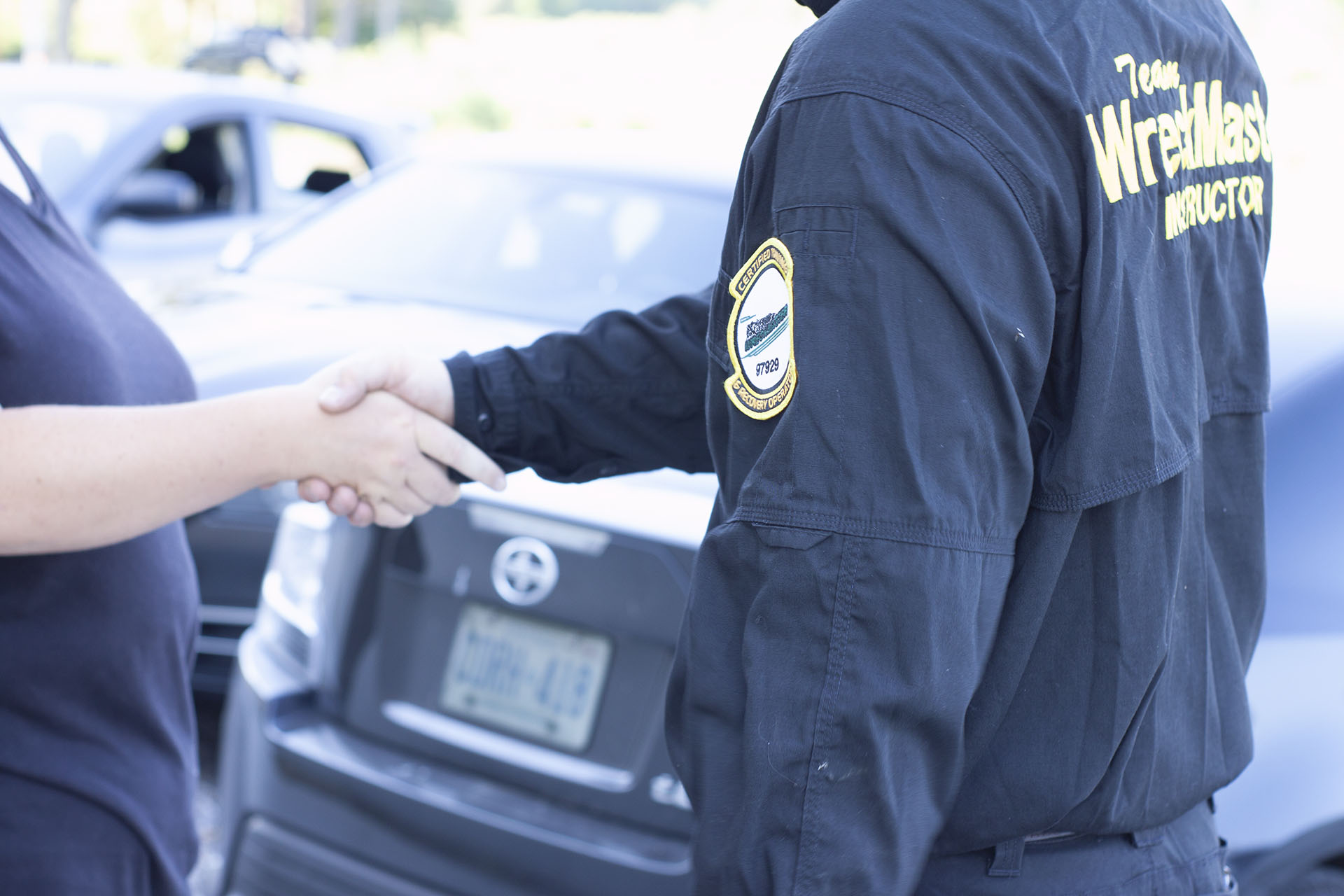
Good customer service is a very important skill for a light-duty operator to have. While you will be learning more about customer service later in this course, your company should educate you on the following factors:
- Company Policies – every company will have a unique set of policies that extend past personal appearance. Items such as tolerance for alcohol and drug usage use of company vehicles, hours of operation and anything else that would be expected of an employee.
- Transportation Authority Requirements – An operator must understand the requirements and regulations for an operator to provide service legally in their jurisdiction.
- Customer Service Guidelines – A typical subsection of company policies, new operators must learn company practices for dealing with customers, first responders and anyone else they may encounter on a job. This should include items such as practices for transporting customers, dealing with difficult individuals and how to treat customers who are waiting for their vehicles in the shop/yard’s designated waiting area.
TRUCKS & EQUIPMENT
TOWING OPERATIONS
During your facility orientation, you will also have to learn about the operations side of towing. There are different processes for different vehicles types, route planning and drop locations should be covered early on in an operator’s training.
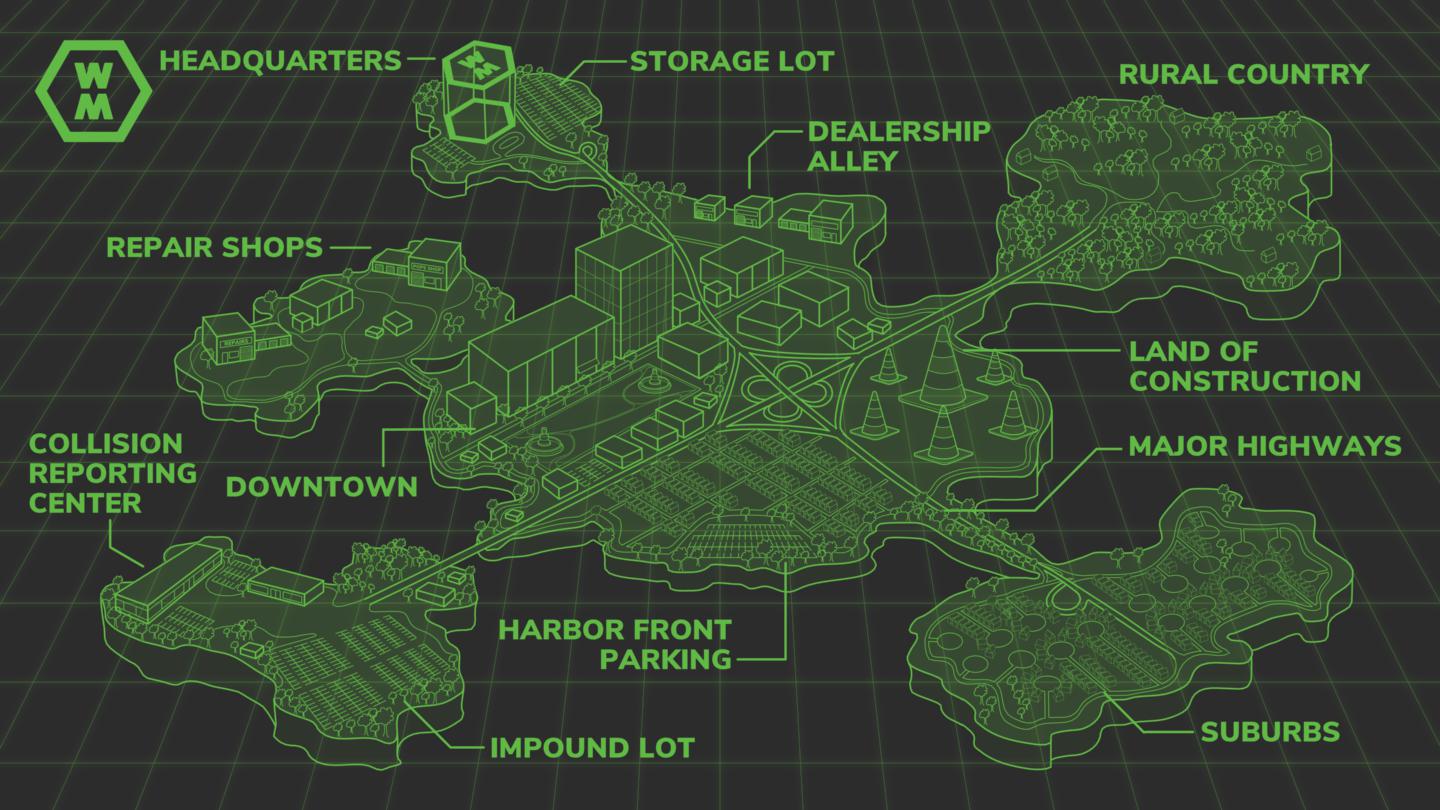
Overview of area of operations – new operators should be provided with a detailed orientation on the area they will be working in. This includes items such as speed limits, on-going construction, in the area, and impound lots and other common tow destinations. Route planning should become second nature for an operator.
Process for different vehicle types – if tows are not being taken directly to a repair shop or to the company yard, knowing where each vehicle should go is important. Different locations may be required depending on the type or size of vehicle or whether the casualty was a repossession.
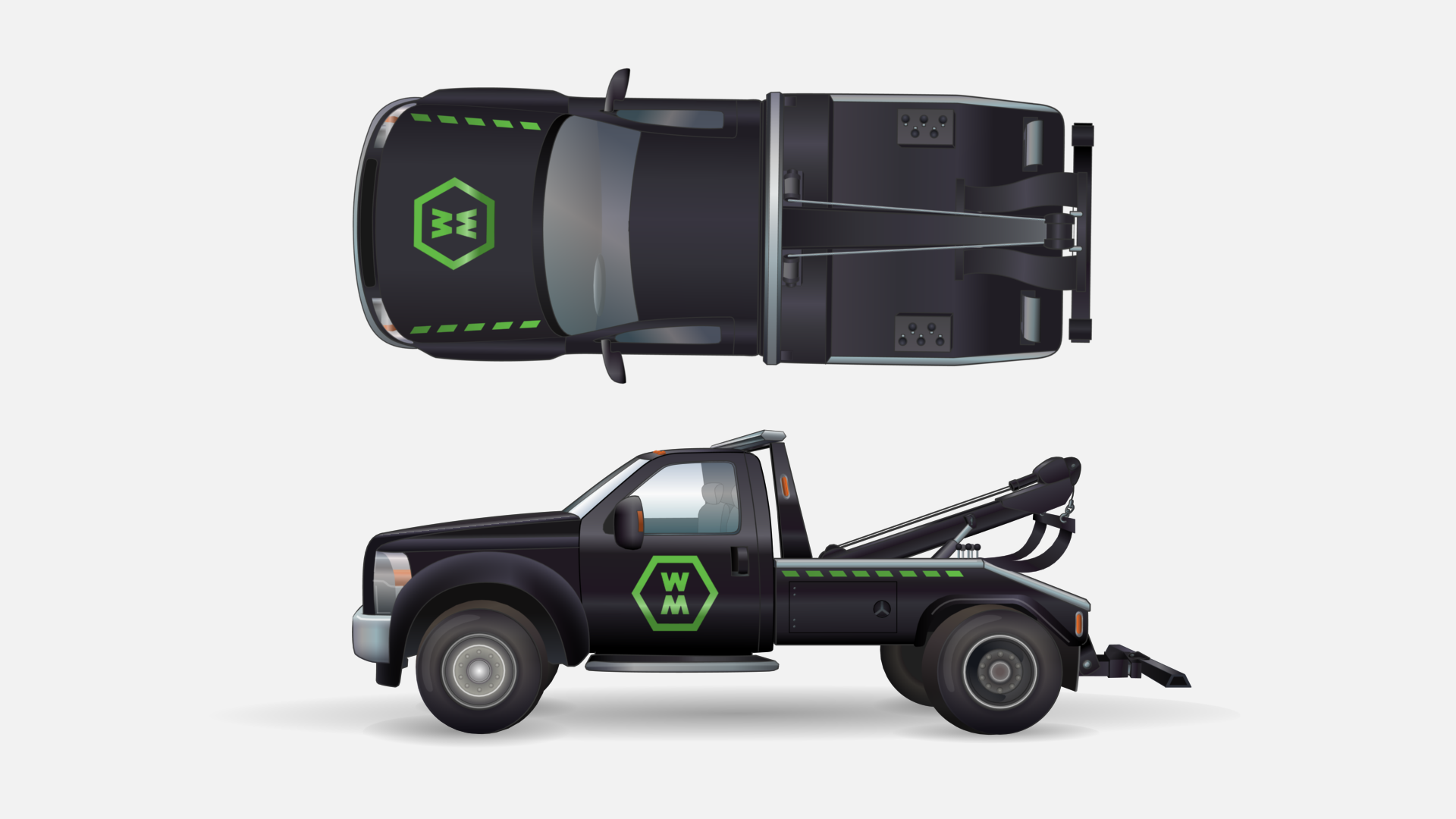
During your facility orientation, your company will introduce you to the system for organizing trucks and equipment as well as where stock for vehicles will be kept. Take the time to learn what makes your company’s vehicles unique.
- Orientation on trucks and equipment – even experienced operators require an overview of the trucks they will be working on. This includes details on the trucks specifications (fuel type, tire size), available equipment and how to properly stock the truck for jobs
- Stock for trucks – knowing not only what goes onto which vehicle, but the capacity, process for checking tools and stock out and knowing where and when to re-order.